

Materials & Sustainability
Nature Is Our Starting Point.
Hemp is one of the oldest textile fibres in use, and one of the least demanding to grow. We say this as context, not as a claim about our own footprint — our environmental assessments are not yet complete, and our passports keep saying so until they are.
No carbon, water or recycled-content results are claimed at this stage.
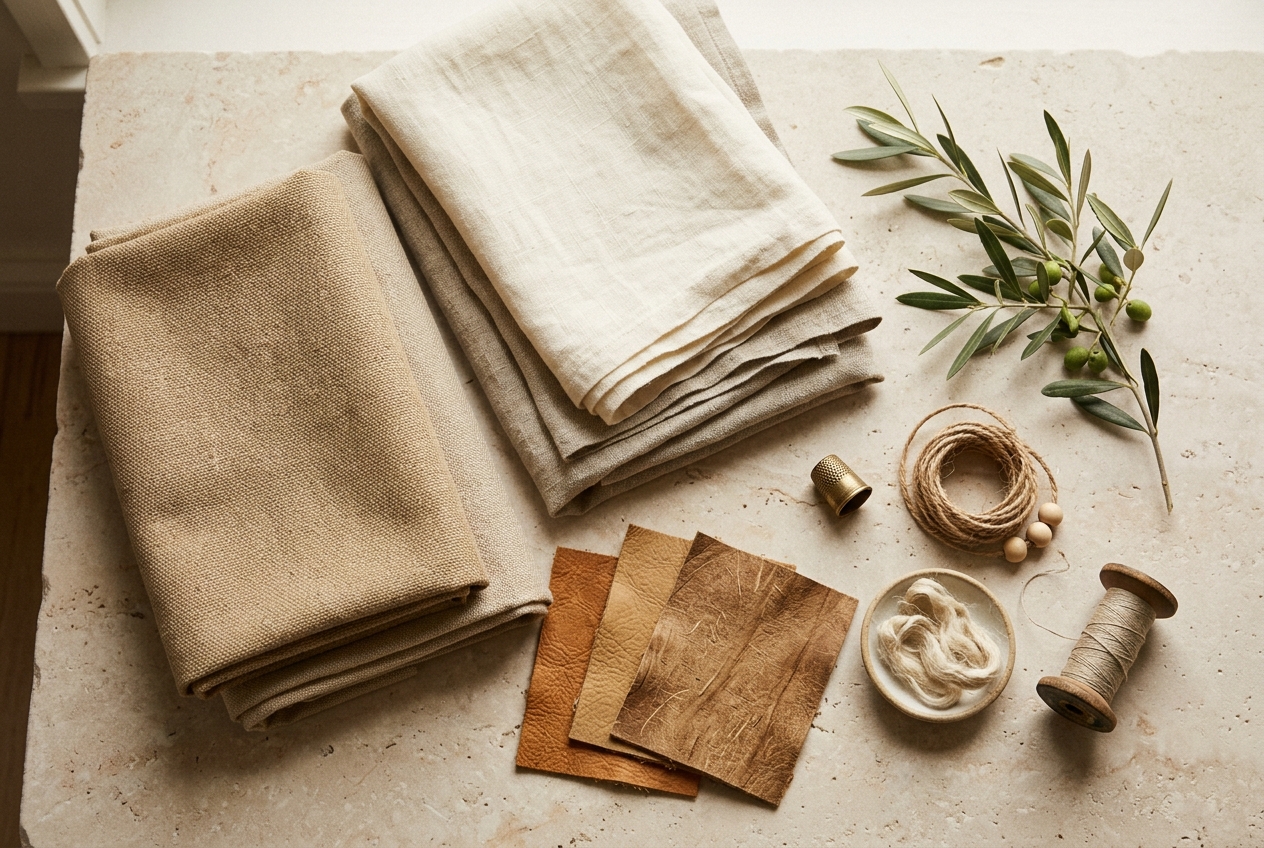
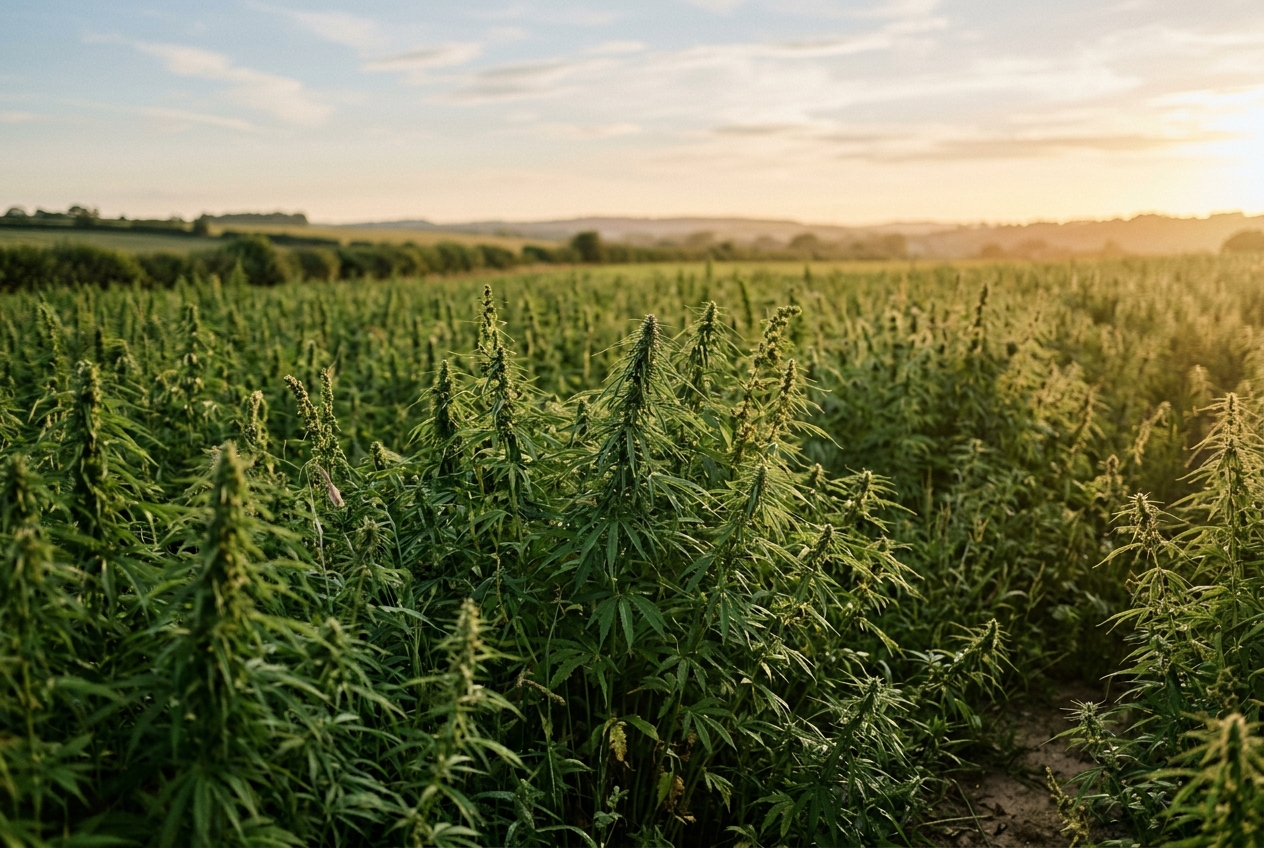
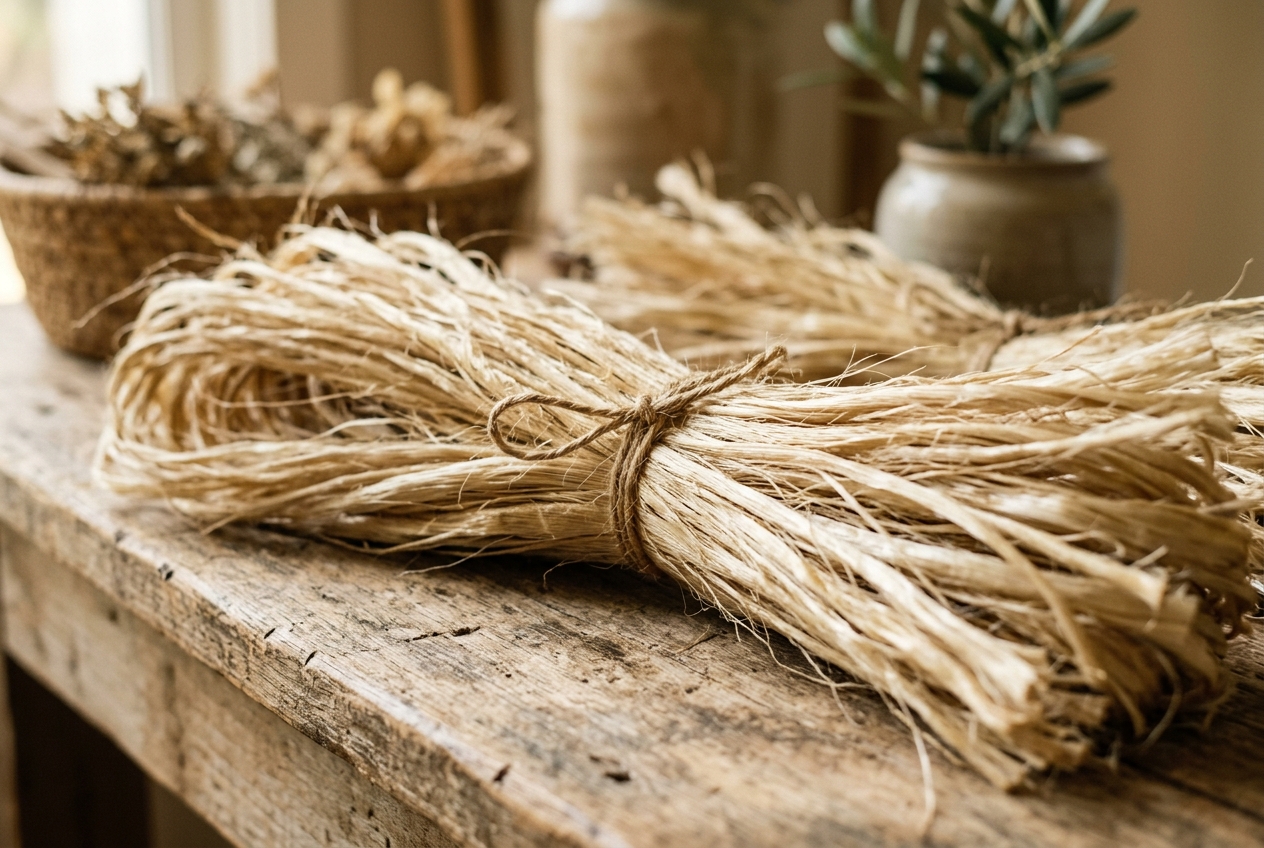
Hemp
Rooted in Nature. Made to Last.
A resilient plant fibre with a short, honest path from field to woven cloth — strong, breathable and built to be kept.
- Can be grown with relatively low pesticide requirements compared with conventional cotton systems.
- May need less irrigation depending on growing conditions and region.
- A renewable, naturally durable plant fibre.
- Its real impact depends on agricultural practice and how the fibre is processed.

Bamboo fibre
Fast-Growing, If Responsibly Processed.

Bamboo is a rapidly renewable grass that can be turned into regenerated cellulose fibres. The promise is real — but the processing route decides the outcome.
- A rapidly renewable plant that regrows quickly after harvest.
- Can grow with limited agricultural inputs in suitable conditions.
- Some bamboo-based production routes show promising environmental characteristics.
- Conventional bamboo viscose can involve significant chemicals and wastewater challenges.
Not all bamboo fabric is automatically sustainable. We distinguish responsibly processed, closed-loop bamboo textiles from conventional, chemically-intensive viscose — to educate, not exaggerate.

Banana leather
Agricultural By-products, Reimagined.
A plant-based leather alternative made from banana-plant fibre — a by-product of fruit farming — offering a route to make better use of agricultural resources.
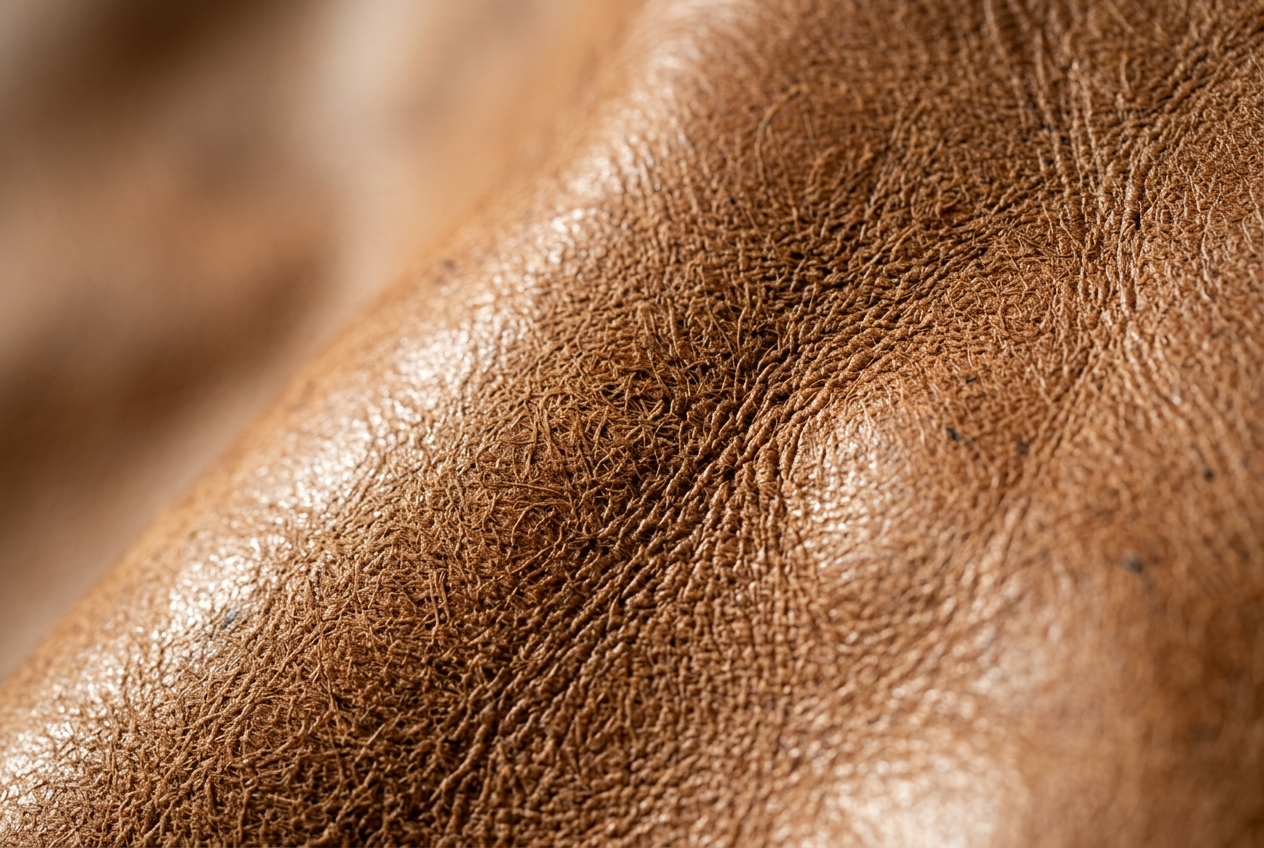
- Potential to use agricultural residues rather than dedicated inputs.
- Innovative, plant-based material development.
- An alternative to conventional, resource-intensive inputs.
- Opportunities for resource efficiency and circular design.
Banana-leather formulations differ. We do not claim every banana-based leather is completely biodegradable or plastic-free — composition and manufacturing determine its performance.
Better materials, smarter choices
Better Materials. Smarter Choices.
A directional, plain-language comparison of lower-impact materials against conventional ones — drawn from published life-cycle research, shown as relative tendencies rather than invented figures.
Water · cultivation
Hemp is frequently rain-fed; conventional cotton is irrigation-intensive in many regions.
Pesticides & inputs
Hemp is typically a low-input crop; conventional cotton often relies on significant pesticide use.
Greenhouse gas
Depends on retting, processing and energy — not universally lower for either fibre.
Land & renewability
Hemp is a fast-growing annual fibre; yields and inputs vary by growing system.
Processing chemicals
Mechanical retting can lower hemp's load; both involve finishing and dyeing.
End of life
Both are natural fibres that can biodegrade when undyed and untreated.
Directional, not product-specific. These tendencies summarise published life-cycle assessments and the EU Product Environmental Footprint framework to aid understanding. Real impact depends on sourcing, processing route, energy, transport and how long a product lasts. They are qualitative comparisons, not measured results for individual Husk & Hone products.
Our approach
Six Things We Hold Ourselves To.
Material selection
We work mainly with hemp and cotton. Hemp gives length and strength to a yarn; cotton makes it softer against the hand. We avoid synthetic face fabrics because they cannot be composted and shed microfibres in the wash.
Sourcing
Our fibre and weaving partners are being documented supplier by supplier. Until a relationship is disclosed and confirmed, the product passport records it as pending rather than describing it loosely.
Manufacturing
Bags are cut, stitched and finished in small runs. Reinforcement goes where wear starts — strap joins, base corners, zip ends — so the first failure point is much later than it usually is.
Product longevity
The most responsible bag is the one you keep. We design for repair: replaceable zips, accessible seams and care guidance written for real use rather than for a label.
Packaging
Products ship in an unbleached cotton dust bag with a kraft tag, without plastic wrap or filler. Where a courier requires outer protection, we use paper-based materials.
Transparency
Every product carries a Digital Product Passport. It shows what we know, states what we do not, and never rounds an unknown up into a claim.